The Mystery Circles of the Sea: Amami Oshima’s White-Spotted Pufferfish

Discover the Magic of Amami Oshima’s Sea Amami Oshima,  a UNESCO World Natural Heritage site, is a diver’s paradise. In the southern part of the island lies Setouchi Town, where the Oshima Strait—nestled between the main island and Kakeroma Island—offers breathtaking views of its rias coastline and crystal-clear waters.
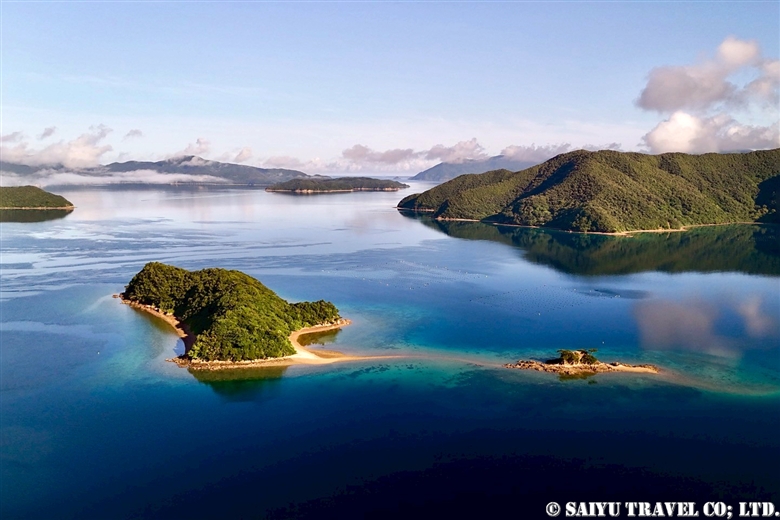
Views of the Oshima Strait (Aerial drone shot by AquaDive Kohollo)

↓↓ Watch: How the White-Spotted Pufferfish creates its Mystery Circle

↓↓ A chance to swim with Indo-Pacific bottlenose dolphins in the Oshima Strait!

The Mystery of the Deep

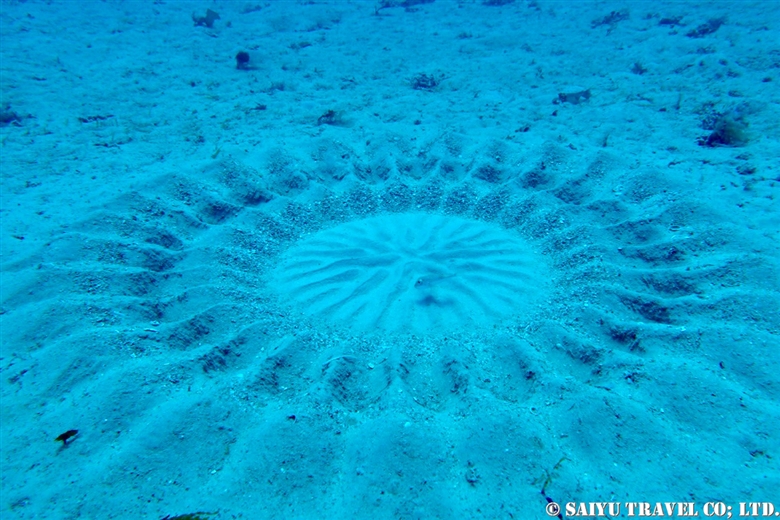
Since around 1995, mysterious geometric patterns, about 2 meters in diameter, were discovered on the sandy seabed of Amami. These became known as “Mystery Circles,” and for 16 years, no one knew who created them.
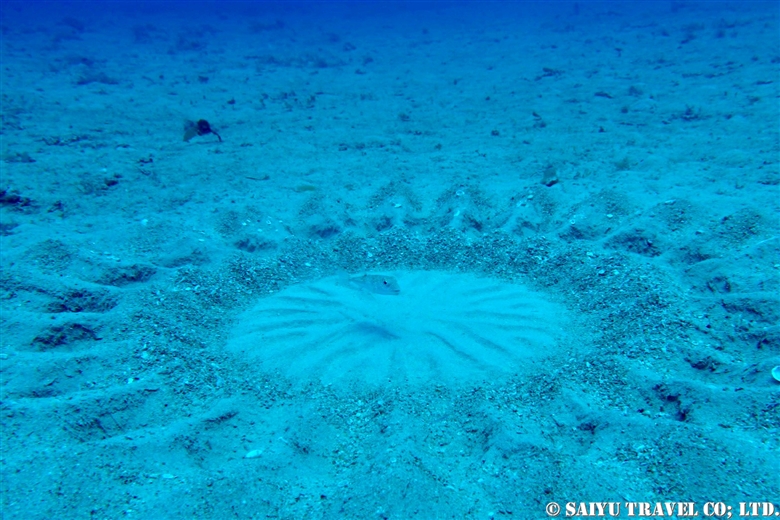
The ‘Mystery Circles’ of the seabed that remained a puzzle for many years

It wasn’t until 2011 that underwater photographer Yoji Okata finally caught the artist on camera: a tiny pufferfish! In 2014, it was officially named the White-Spotted Pufferfish (Japanese name: Amami-no-Hoshizora-Fugu).

Later, it was discovered that these pufferfish live not only in the southern part of Amami Oshima, but also along the northeastern coast of Kakeroma Island and in the sandy depths of Kasari Bay in the north, at around 30 meters deep.
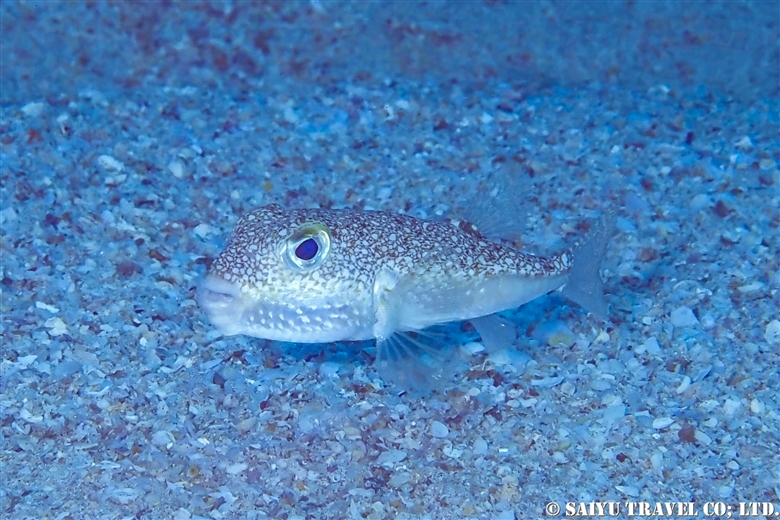
Japanese name : Amami-no-Hoshizora-Fugu アマミノホシゾラフグ

The name Hoshizora means “Starry Sky.” It comes from the beautiful white spots on the pufferfish’s back, which look just like the glittering stars in the clear night sky over Amami Oshima.

These Mystery Circles are actually spawning nests built by the males. Despite being only 10-15cm long, the male spends 7 to 9 days working without rest to dig grooves and create ridges using its fins. The more perfect the circle, the more likely he is to attract a mate!

When a female arrives, a unique ritual begins: the male gently bites the female’s cheek. This stimulates her to lay eggs and keeps her steady in the center of the nest. Once the eggs are laid, the devoted father stays for about a week to protect them and fan them with fresh seawater until they hatch.

Observing the Pufferfish (Photography by AquaDive Kohollo)

On our diving tours, you can observe the entire process, starting from the circle-making itself. If you’re lucky, you might even witness a female arriving or a male devotedly caring for the eggs. However, please note that these mystery circles are usually found at depths of around 30 meters, making observations difficult if they are located any deeper.

When observing, we take great care not to disturb the pufferfish or kick up any sand. While using a strobe is currently permitted, there may be restrictions on the use of continuous lights. Please be sure to follow the specific rules set by local diving association.

More to Explore

The Oshima Strait is a treasure trove of marine life. Beyond the pufferfish, you might even have the chance to swim with Indo-Pacific bottlenose dolphins! You can also find rare creatures like the Sutsubo-sando-yadokari (a hermit crab discovered in 2017) and the colorful Boxer Crab.

This hermit crab, called Sutsubo-sando-yadokari, was only just described as a new species in 2017. What makes it truly unique is that it carries and walks around in a ‘living coral’ instead of a shell.
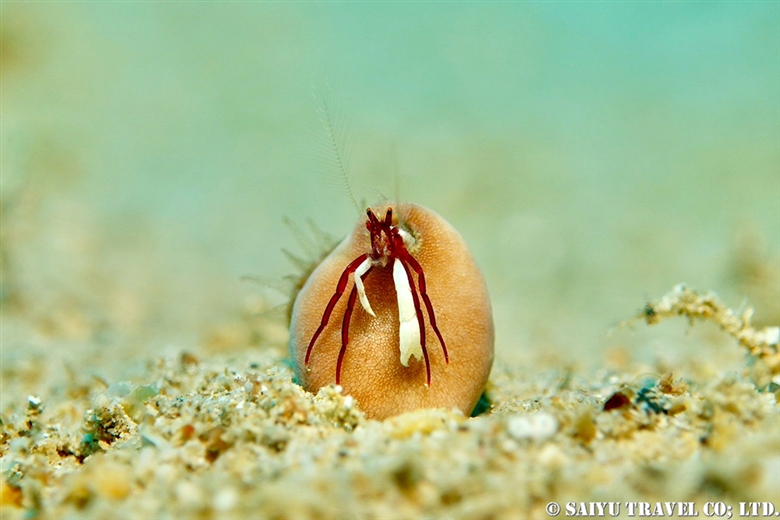
Sutsubo-sando-yadokari (a hermit crab discovered in 2017) (Photography by AquaDive Kohollo)

It is a tiny hermit crab, characterized by its vibrant red legs and white claws peeking out from the coral.
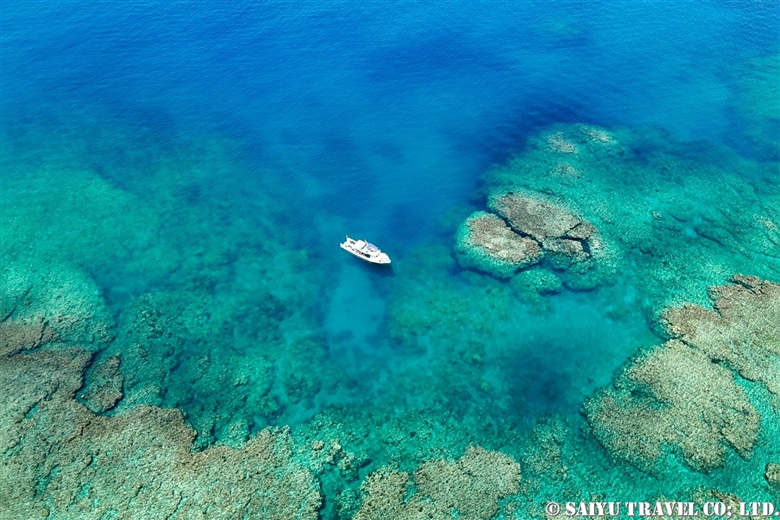
The beautiful waters of the Oshima Strait in southern Amami Oshima (Aerial drone shot by AquaDive Kohollo)
A lucky find: The adorable Boxer Crab
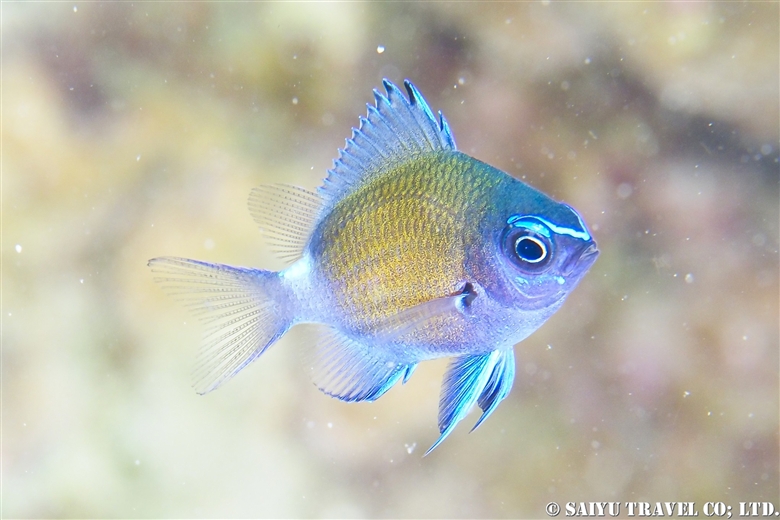
Young Amami Damselfish
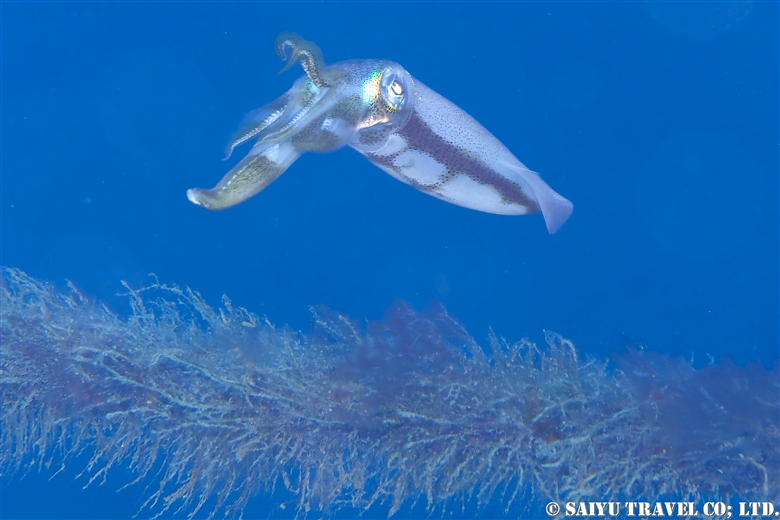
A juvenile Bigfin Reef Squid approaching the boat
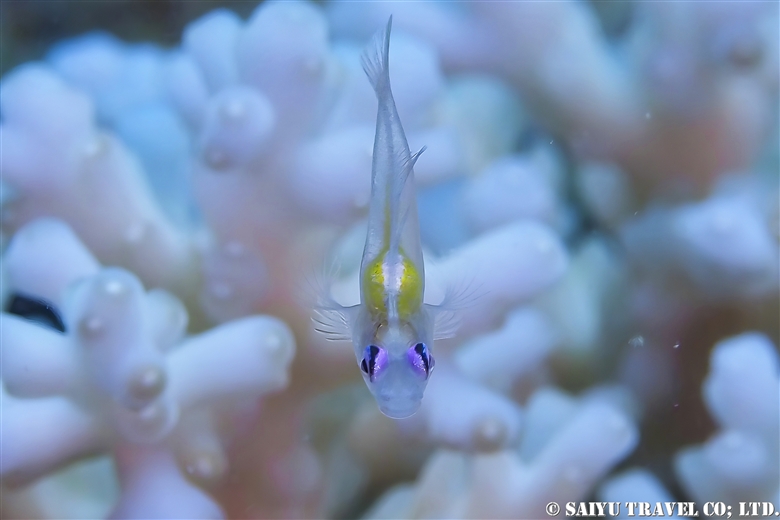
Red-eye Goby
Surrounded by a fun-loving diving team (Photography by AquaDive Kohollo)

If you’re looking for a diving experience filled with wonder and natural art, come and see the Mystery Circles of Amami Oshima!


Image : Mariko SAWADA,  AquaDive Kohollo

Text : Mariko SAWADA

Location : Amami Oshima


■Related Articles: Amami Oshima

Scuba Diving Amami Oshima

The White-Spotted Pufferfish Circle Formation(Amami Oshima)

(Video) Humpback Whale Watching & Swim in Amami Oshima

Mother and Calf Humpback Whales (Amami Oshima)

■Please contact us for inquiries regarding diving and whale swim tours (Humpback & Sperm whales) in Amami Oshima

■Wildlife videos are also available on Youtube

■Follow us on Instagram

Tags: , , , , , , , , , ,

Wildlife on Teuri Island in Spring and the First Herring Spawn in 70 Years

>For information and tours of Teuri Island, click here!

On April 15, 2024, the first herring spawn in 70 years was observed on Teuri Island, Hokkaido. The islanders were excited to photograph and then harvest the herring. At an island inn, stewed herring and herring roe were served. No one on the island today knows what it was like in the heyday of the herring harvest.

Here is some of the wildlife we observed on Teuri Island in the spring.

On the route from Haboro Port to Teuri Island, black-throated divers (surprisingly common), ancient murrelets, rhinoceros auklets, and spectacled guillemots were seen.

Eight species of seabirds breed on Teuri Island: the common guillemot, spectacled guillemot, rhinoceros auklet, black-tailed gull, slaty-backed gull, Japanese cormorant (Temminck’s cormorant), pelagic cormorant, and ancient murrelet. By April, they have already begun their breeding season.

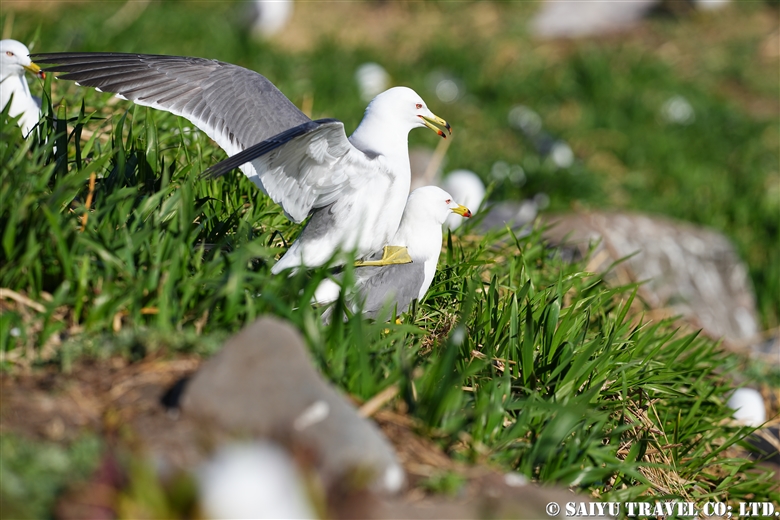
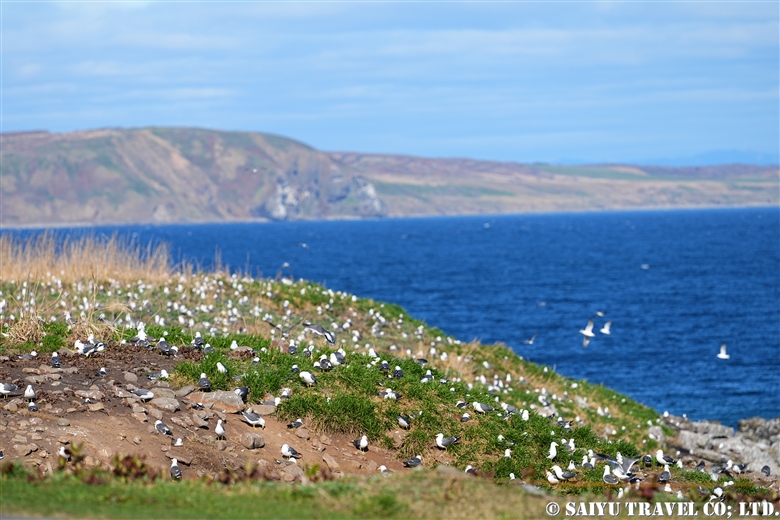
Black-tailed gulls are breeding and expanding their territory on the Kurosaki coast, and around April 20, mating (or pseudo-mating) has already started taking place throughout the area.

Black-tailed gulls mating (or pseudo-mating)
Kurosaki Coast, where the breeding grounds of black-tailed gulls are expanding

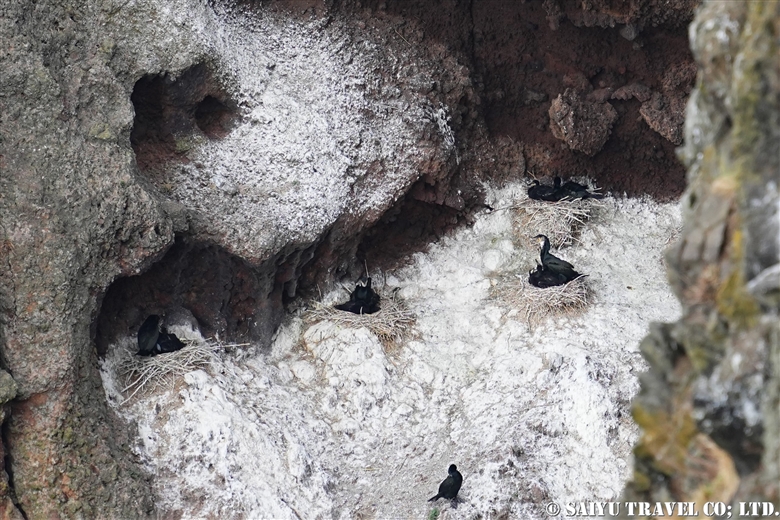
When I looked at the Japanese cormorant breeding site from the seabird observation hut, they were already feeding their chicks. The Japanese cormorant is a seabird that starts breeding early, and it seems to be getting even earlier. Slaty-backed gulls were breeding and mating on the upper slope of the bluff. There were many rhinoceros auklet nesting sites in this area as well.

Japanese cormorants nesting on a bluff. Most of the nests had chicks in them.

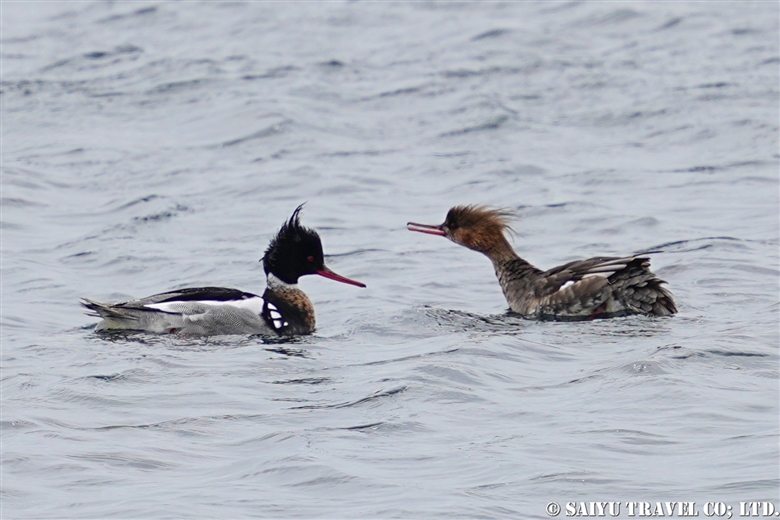
Red-breasted mergansers are seen near Maehama Fishing Port. Red-breasted mergansers migrate to Teuri Island as winter visitors. They will soon be heading north as well.

A Red-breasted merganser pair

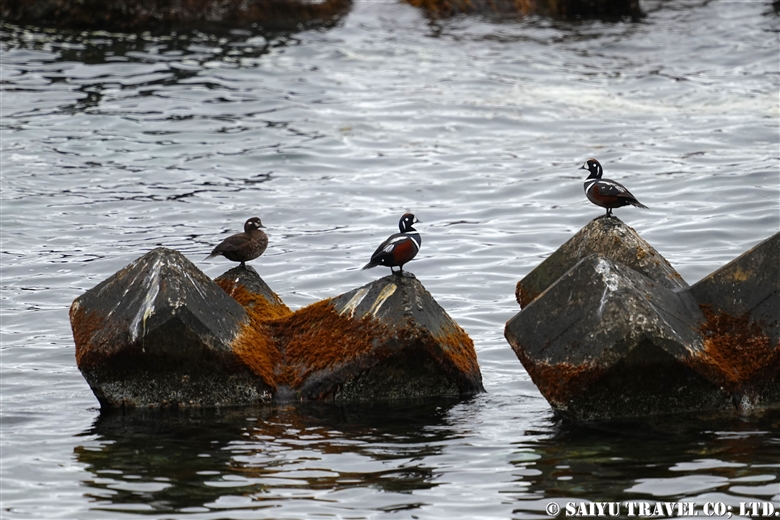
And then there are the harlequin ducks. They are the most common ducks on Teuri Island. I often saw them near Maehama Fishing Port and Lombaba Beach. Harlequin ducks can be seen all year round on Teuri Island, but they are definitely easier to see—and more beautiful—during the winter months.

Harlequin ducks at Lombaba beach

On one morning when the wind had calmed a bit, we went out to the sea on the Keimafuri-Gou, a small boat operated by island photographer Takaki Terasawa. The view from the boat was that of Teuri Island in spring!

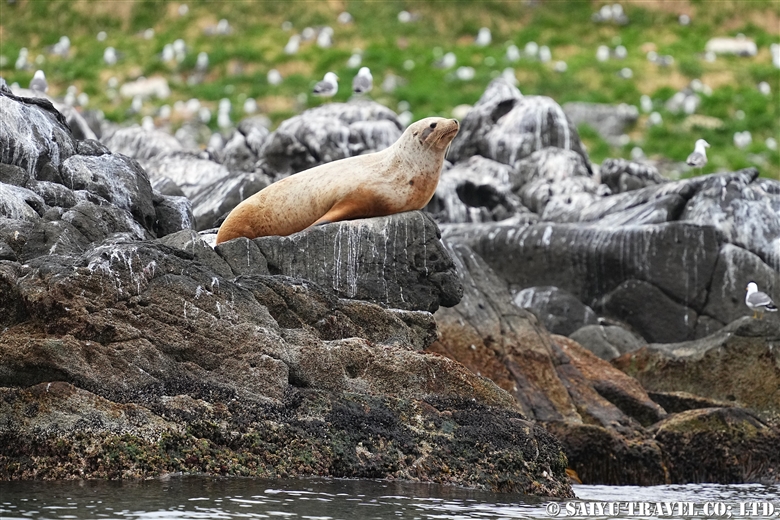
A steller sea lion we met as soon as we left the harbor. They migrate to Hokkaido from the Kuril Islands in winter. This young male was all alone. Teuri Island, where herring now spawn, attracts wildlife as well as people. It is a symbol of the richness of the sea.

Steller sea lions will soon be moving north.

From the boat, we observed the black-tailed gull breeding grounds on the Kurosaki coast and then headed in the direction of Akaiwa. We did not see any common guillemots at the breeding site, but we did see four common guillemots flying over the sea in the vicinity.

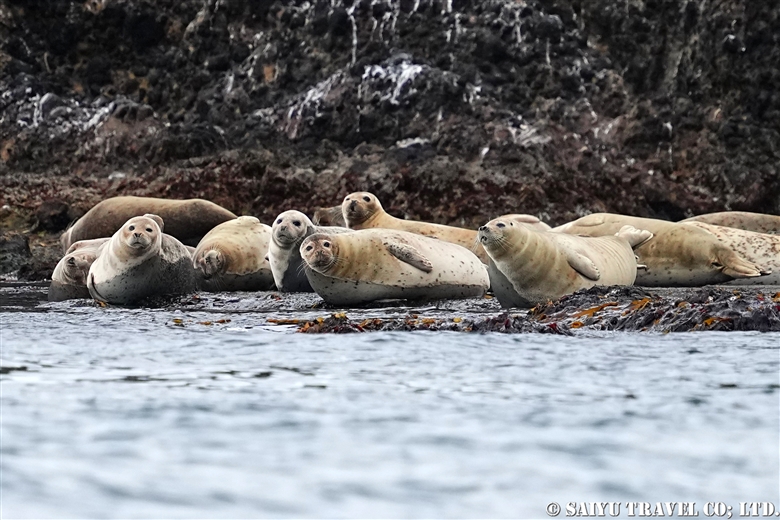
The reef was teeming with some very dry and fluffy spotted seals.

Spotted seals watching our boat

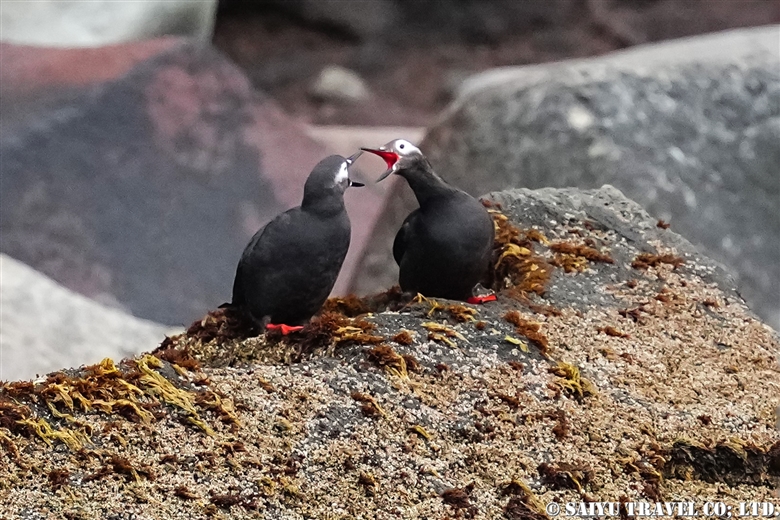
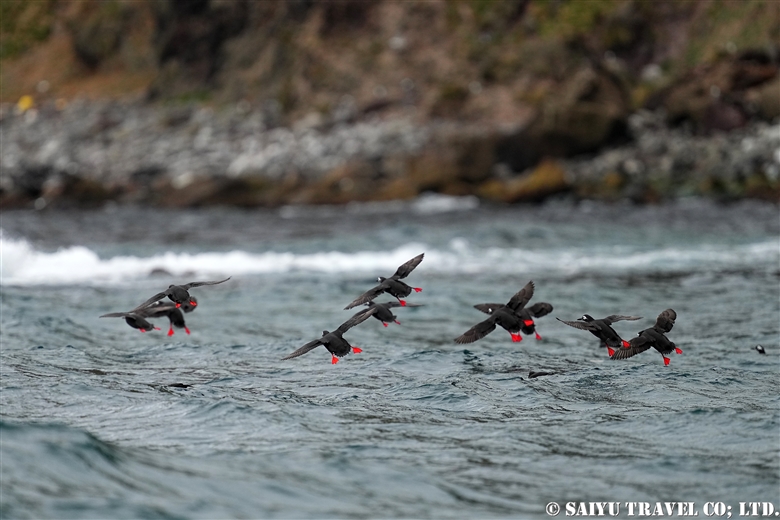
The beautiful sound of spectacled guillemots chirping at each other echoes out to sea. On a rocky shore, an adorable pair is seen in a courtship gesture.

Spectacled guillemot courtship
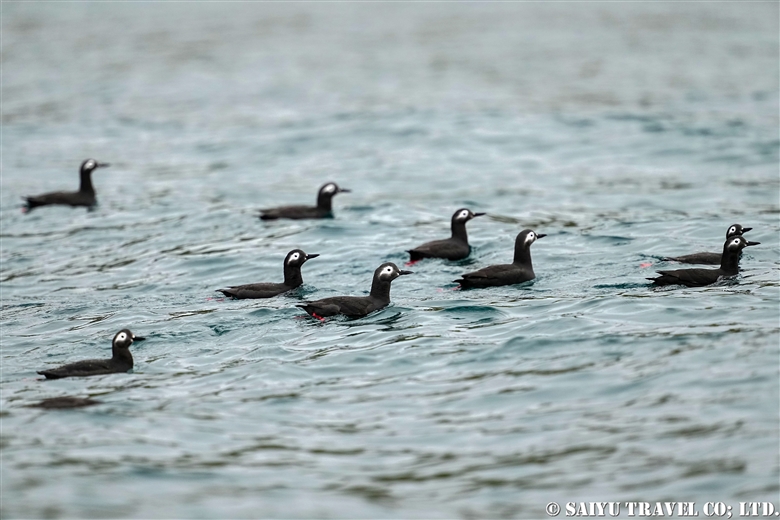
A flock of Spectacled guillemots at sea near nesting cliffs
Lovely spectacled guillemots showing off their red legs

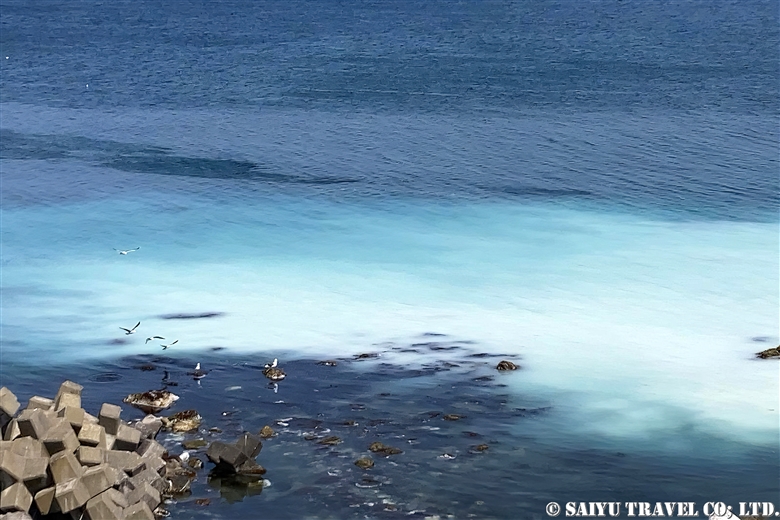
Lastly, please take a look at this herring spawn, photographed on April 15 by the staff of Saiyu Travel’s Teuri Office (Teuri Island Naturelive).

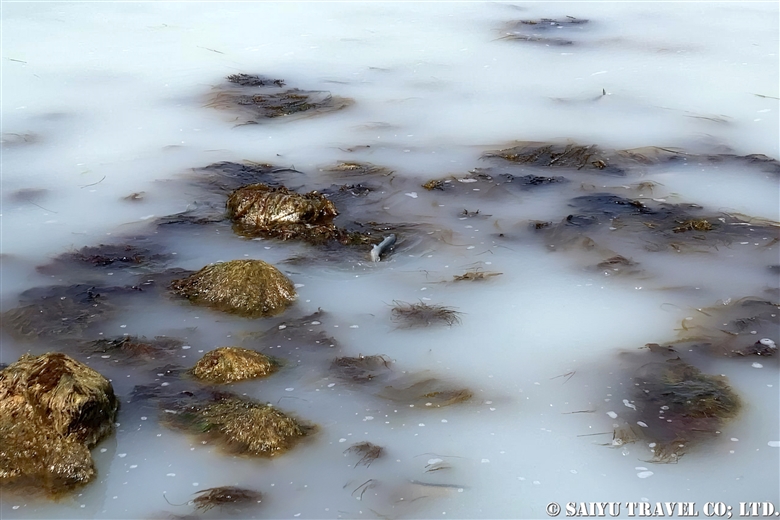
The herring spawn turning the sea white and murky, viewed from Lombaba beach.

Spawning occurs in spring, when females lay their eggs on seaweed in shallow waters less than one meter deep, and males release sperm to fertilize the eggs. This spawning causes the seawater to become white and murky.

Pacific Herring laying eggs in seaweed

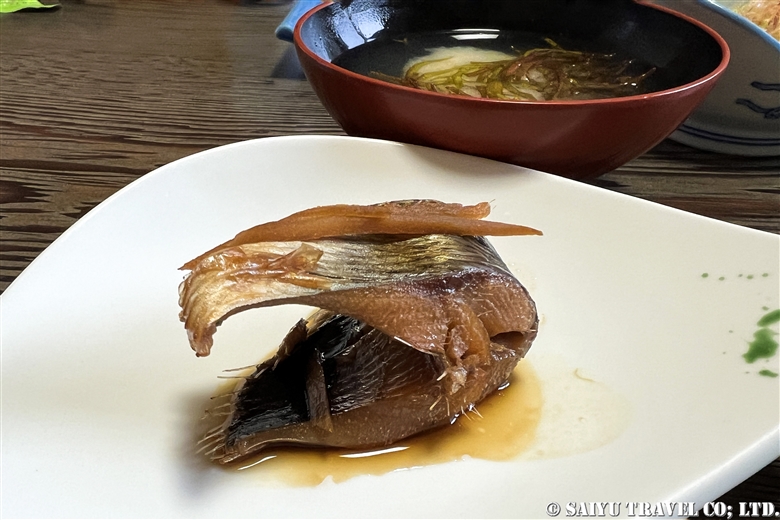
A herring dish served at the Yorozuya Ryokan( 萬谷旅館)where I stayed. The fresh herring was so tasty.

Simmered herring
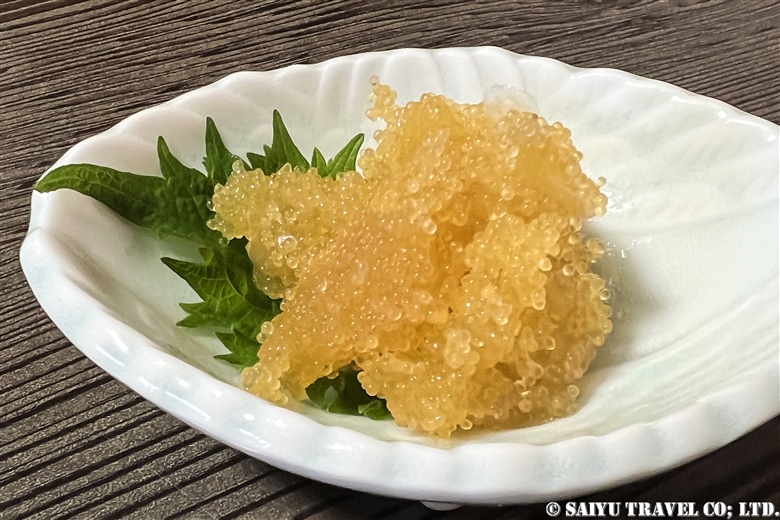
Herring roe Kazunoko

I myself had just returned from a trip to Sitka, Alaska, in search of the wildlife that gathers there during the herring spawn. In Alaska, the “Herring Run” is a very popular wildlife tour where you can encounter humpback whales, gray whales, bald eagles, steller sea lions, and other creatures that congregate in the waters of Sitka.

Will Japan’s herring spawn one day be referred to as Hokkaido’s “Herring Run”? Before that, it is important to first restore the richness of the sea where herring come to spawn every year. I sincerely hope that the herring will return next year too.

Image & Text: Mariko SAWADA & Midori KUDO
Observation: April 2024, Teuri Island, Hokkaido


Photo & text : Mariko SAWADA

Photography of Herring spawning : Midori KUDO

★ Visit our web site of  TEURI ISLAND. ☜

Contact us to make arrangements for photographing seabirds on Teuri Island and Wildlife of Japan.

★Wildlife videos are also available on Youtube – we have the playlist as well.


Tags: , , , , , , , , , , , , , ,

Shiretoko Peninsula: Red Foxes Born at the Fisherman’s Hut (Banya)

We met a family of Red Fox in Rausu during the spring months, when the temperatures had not yet risen to double digits yet.

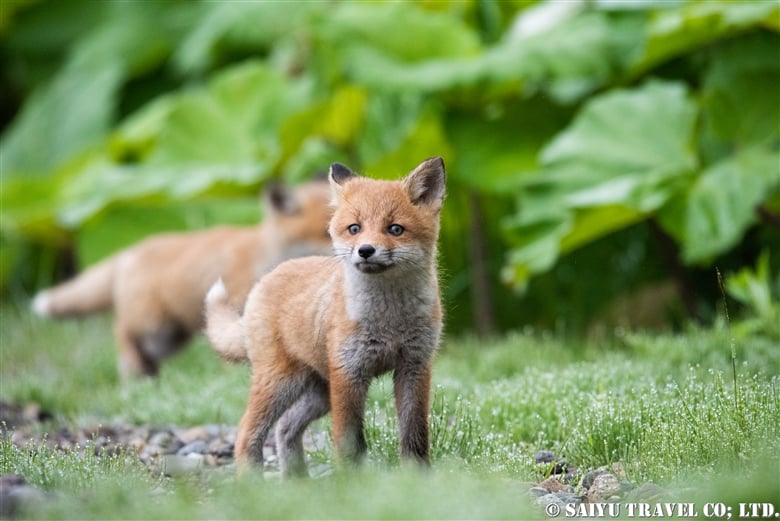
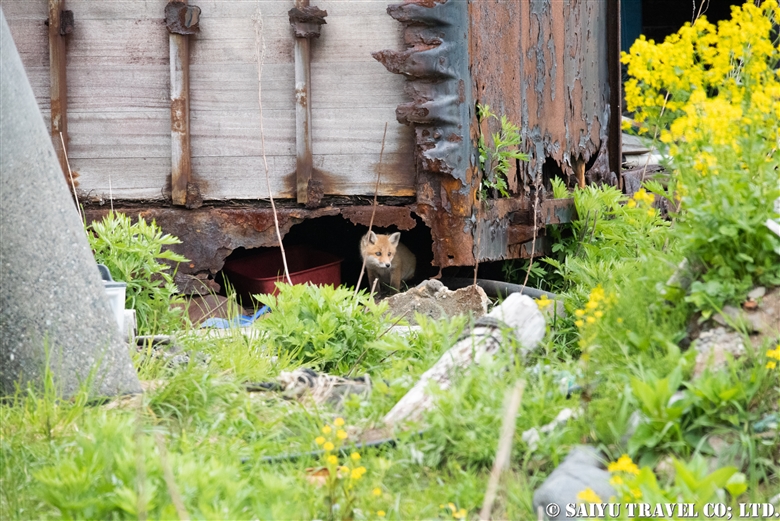
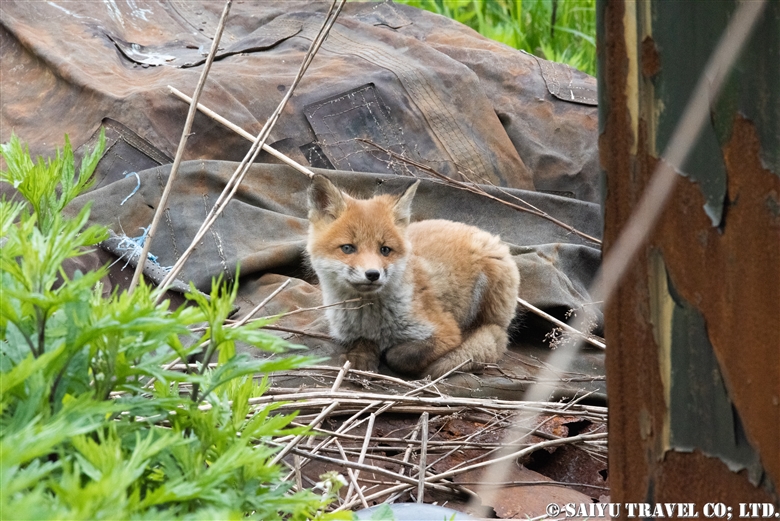
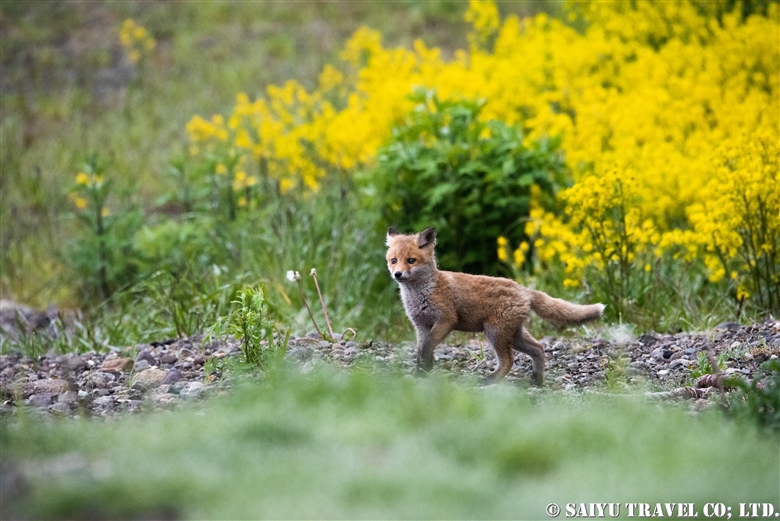
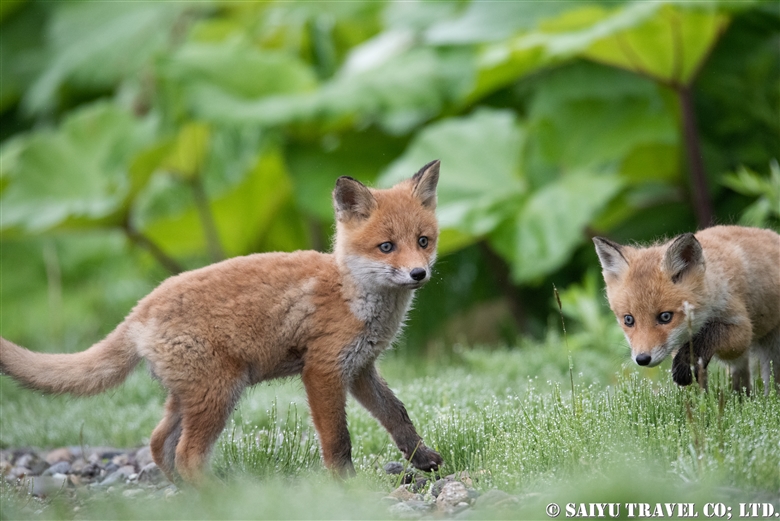
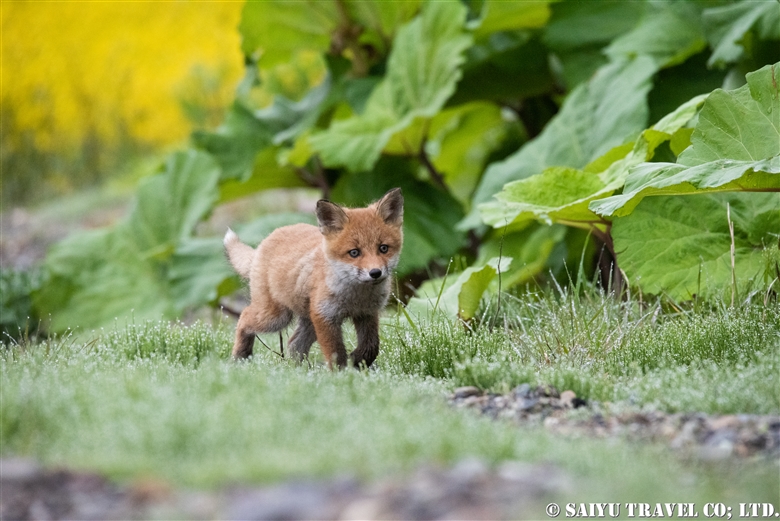
The three red fox kits lived under the floor of a building called ‘Banya’, which is a hut used by the sea fishermen.

I met these kids when they were less than two weeks old, and they still couldn’t see very well. The parents were frequently grooming them, to remove the dirt from their fur.

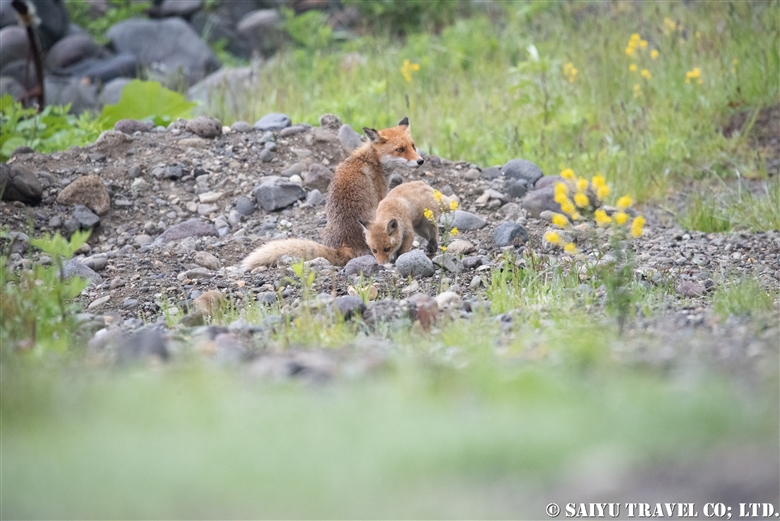
After observing them for a few days, I could get to know their daily schedule, and the relationships between the three siblings.

The third kit, which is a little smaller, was often seen dozing off or behaving a little differently then the other two. Every morning, when the time came for the fishermen to return to the port, the parent fox would also go to the port to get the fish from the fishermen.

Red Fox cub
Red Fox cub
Red Fox cub

Every year, from May to June in Rausu, it is not uncommon to find baby foxes coming out suddenly from under the floor of the huts, jump out onto the road, or sadly even get hit by a car in the road. During this season in Eastern Hokkaido, animals such as deer and fox are raising their families, so there is a need to be extra careful when driving.

Photo & Text: Kaito IMAHORI
Observation:  Rausu, Shireoko Peninsula, Hokkaido

*Contact  us, Saiyu Travel for more information about wildlife and bird watching in Hokkaido. We can make various arrangements for your trip. We have a guesthouse, Shiretoko Serai, in Rausu, Shiretoko Peninsula.

Tags: , , , , , , , , , , , , , , , , ,

Ezo Chipmunks Preparing for Winter

You might have a chance to encounter the small animals in the parks and shrines while vising the Eastern Hokkaido area.

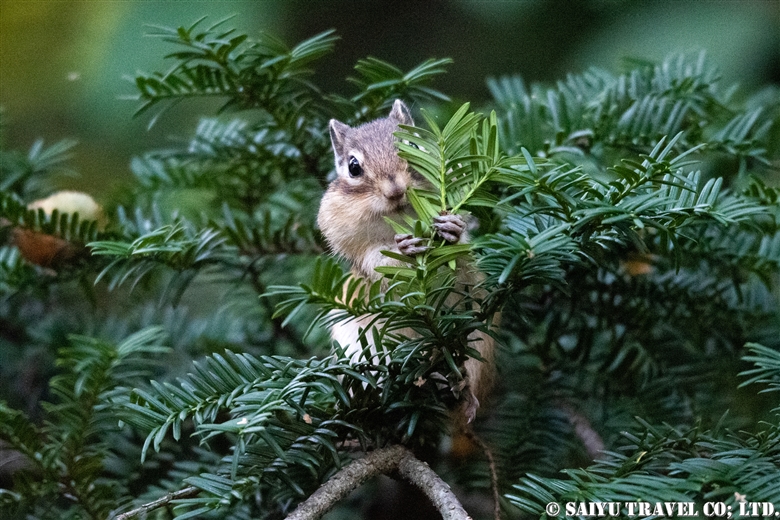
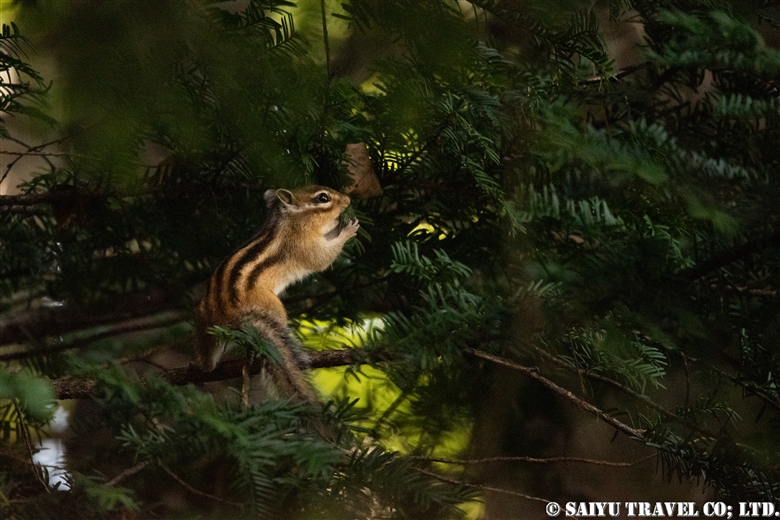
Among them are the chipmunks, which hibernate through the winter. They will use the entire park in the autumn months to collect food for their winter storage. They may carry many kinds of food back to their nests such as yew nuts, walnuts, acorns, and mushrooms.

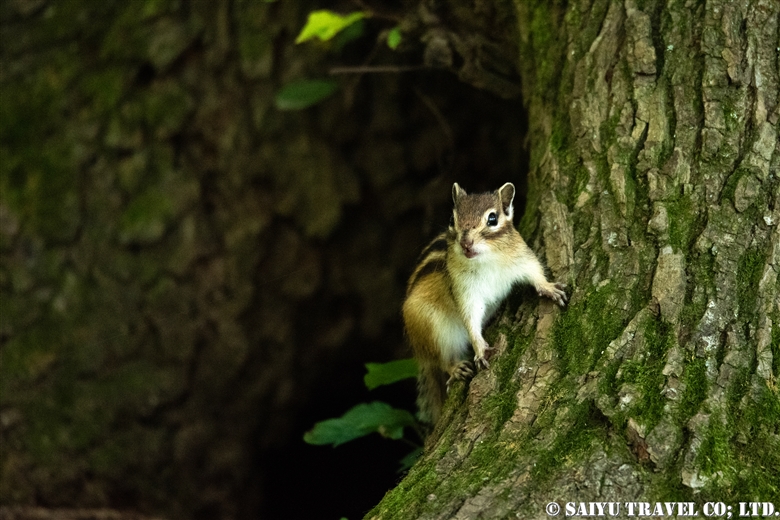
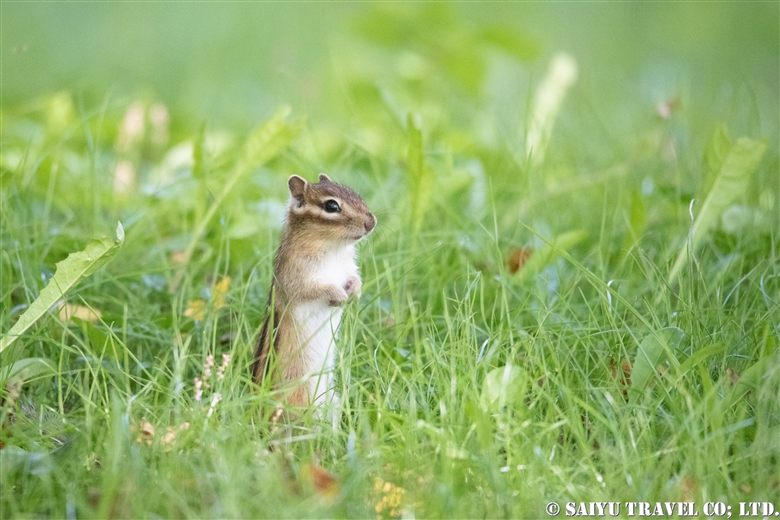
The Ezo Chipmunk, Tamias sibiricus lineatus, is a subspecies of chipmunk that is distributed throughout Hokkaido, its surrounding islands, and the islands of the Northern Territories.

Its body is about 15 centimeters long, a similar size as a mouse; and its footsteps are hard to hear, so it is often not noticed. Hokkaido is home to two small species: the Ezo squirrels and the Ezo chipmunks. The biggest difference is that Ezo chipmunks hibernate, but Ezo squirrels do not hibernate.

Ezo squirrels build their nests at the tops of tall trees, and basically live in the canopy. Ezo chipmunks, on the other hand, build burrows at the base of trees and hibernate, so their home range is largely on the ground level.

Ezo squirrels are also longer than Ezo chipmunks, with the squirrel’s tail alone, measuring about 15 centimeters.

Ezo squirrels can be observed throughout the year, but the Ezo chipmunks are easier to find from September to October, which is the busy pre-hibernation feeding season for them.


Photography & text: Shohei Morita
Observation: Sep 2022, Eastern Hokkaido Region

*Contact  us, Saiyu Travel for more information about wildlife and bird watching in Hokkaido. We can make various arrangements for your trip. We have a guesthouse, Shiretoko Serai, in Rausu, Shiretoko Peninsula.

Tags: , , , , , , , , , ,

Wildlife Sightings for January in Eastern Hokkaido

February is generally the peak season in Hokkaido’s eastern region, but what is it like in January? In this blog, we would like to introduce the wildlife that you might see in East Hokkaido (Kushiro, Notsuke Pennisula, Rausu) in January.

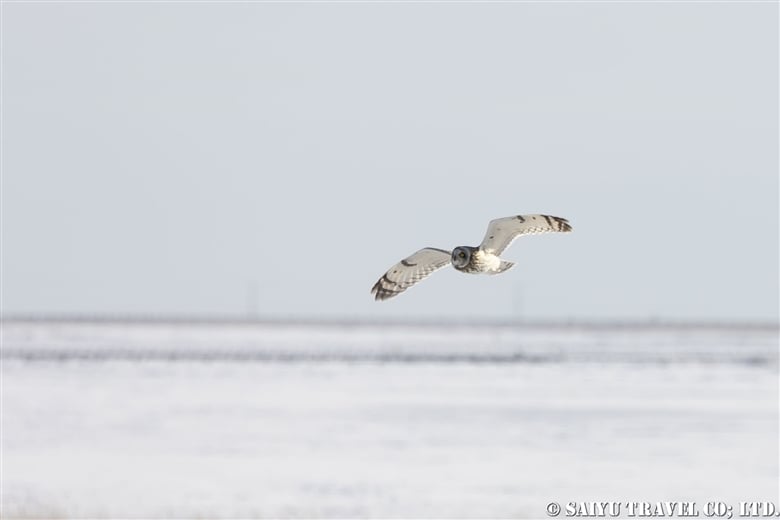
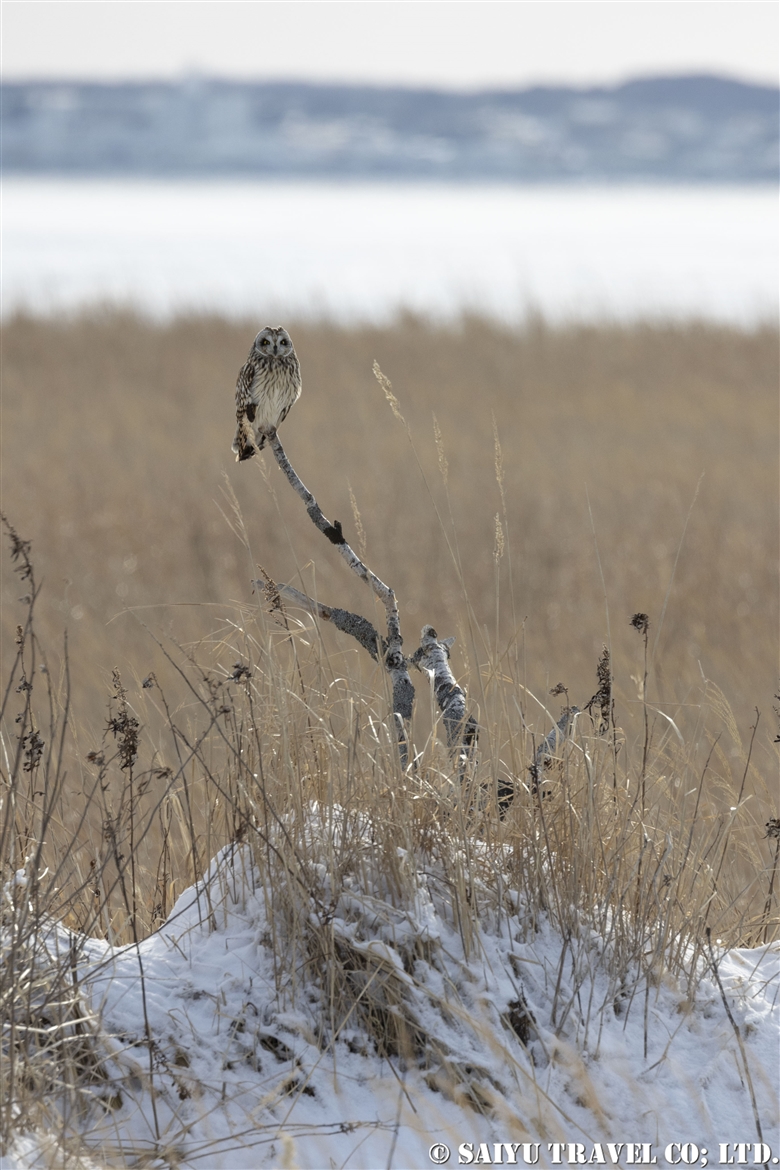
Short-Eared Owl (Notsuke Peninsula)

During this period, short-eared owls migrating from Siberia and other places, could be observed (depending on the year). This grassland owl is a rarity in Japan, but when you visit the open grassy fields in the evening, you might observe them flying around looking for mice. After that, as the weather gets colder, many of the owls migrate to other places around the main island of Japan (Honshu), so Hokkaido in January might be the best time to photograph the snowy landscapes with short-eared owls.

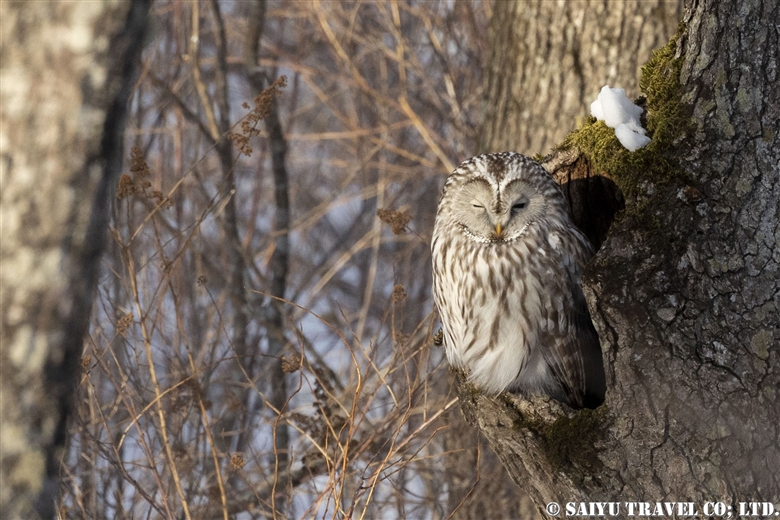
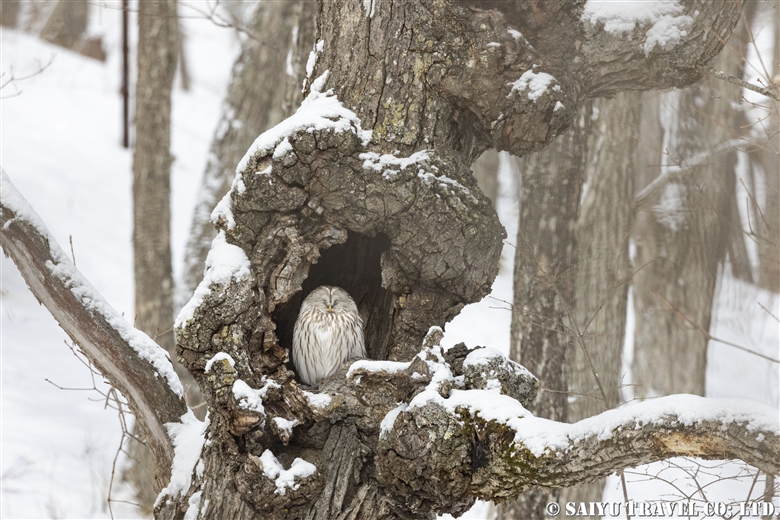
Ural Owl (Eastern Hokkaido)

The ural owl, is an endemic species that inhabits Hokkaido as a resident year around. It is easy to spot these birds in the leafless trees.

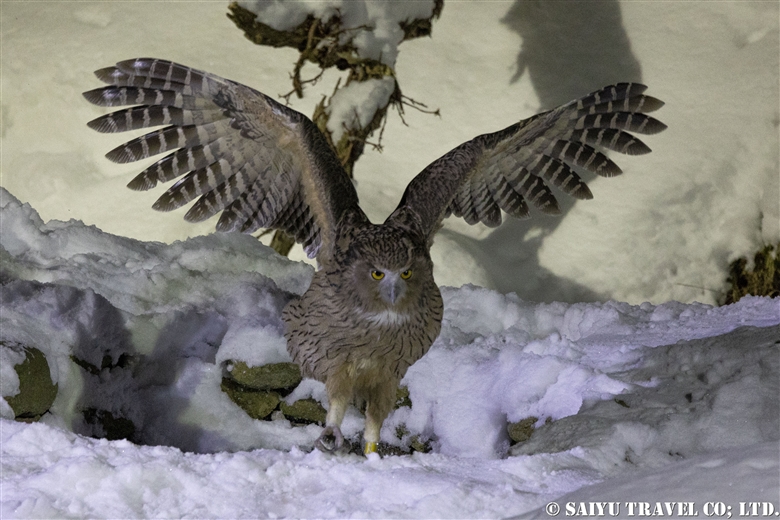
Blakiston’s Fish Owl (Rausu)

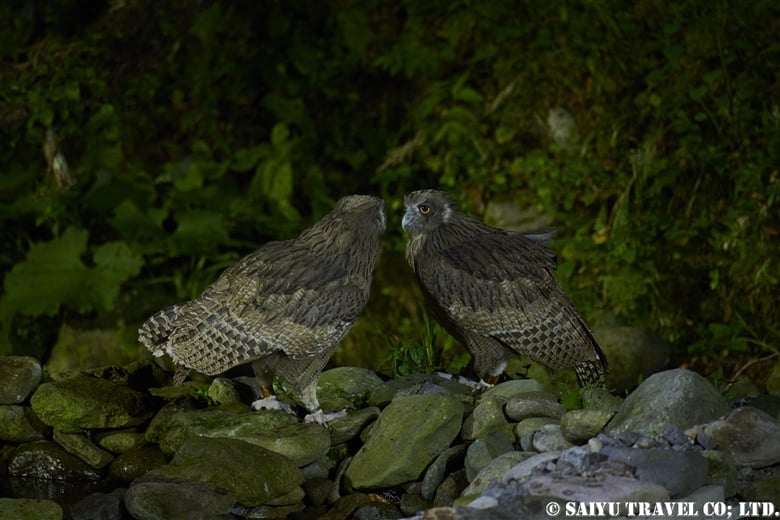
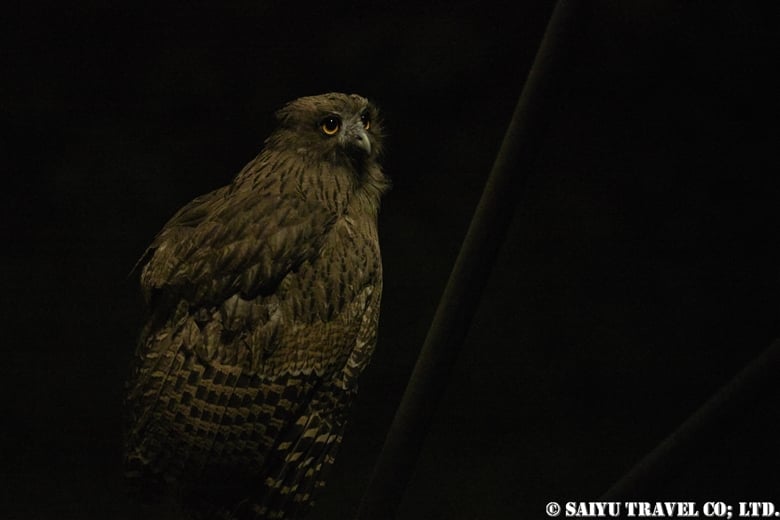
The Blakiston’s fish owl can be seen from a facility along the Chitorai River in Rausu. It is a very rare species that inhabits only eastern Hokkaido and Far East Russia (Kunashir Island).

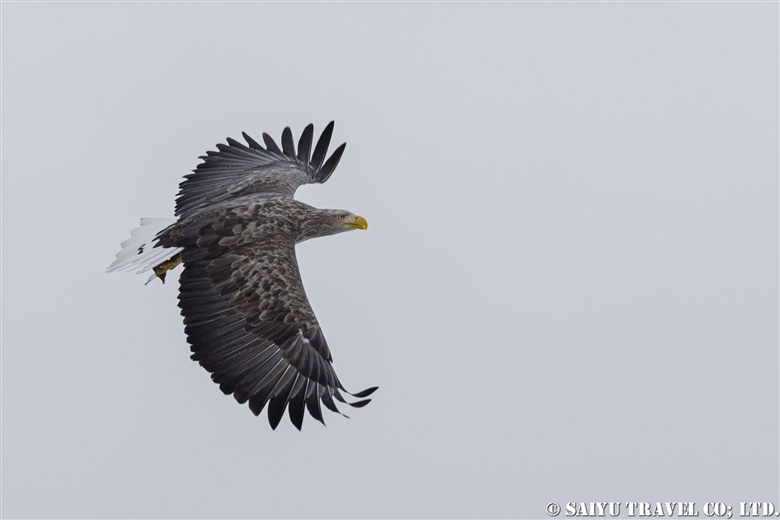
White-Tailed Eagle (Rausu, Notsuke Peninsula, Nemuro)

In eastern Hokkaido, there are wildlife that migrate here to overwinter, and there are also resident birds as well. They are most abundant in February, and can be easily seen flying around Lake Furen and Rausu.

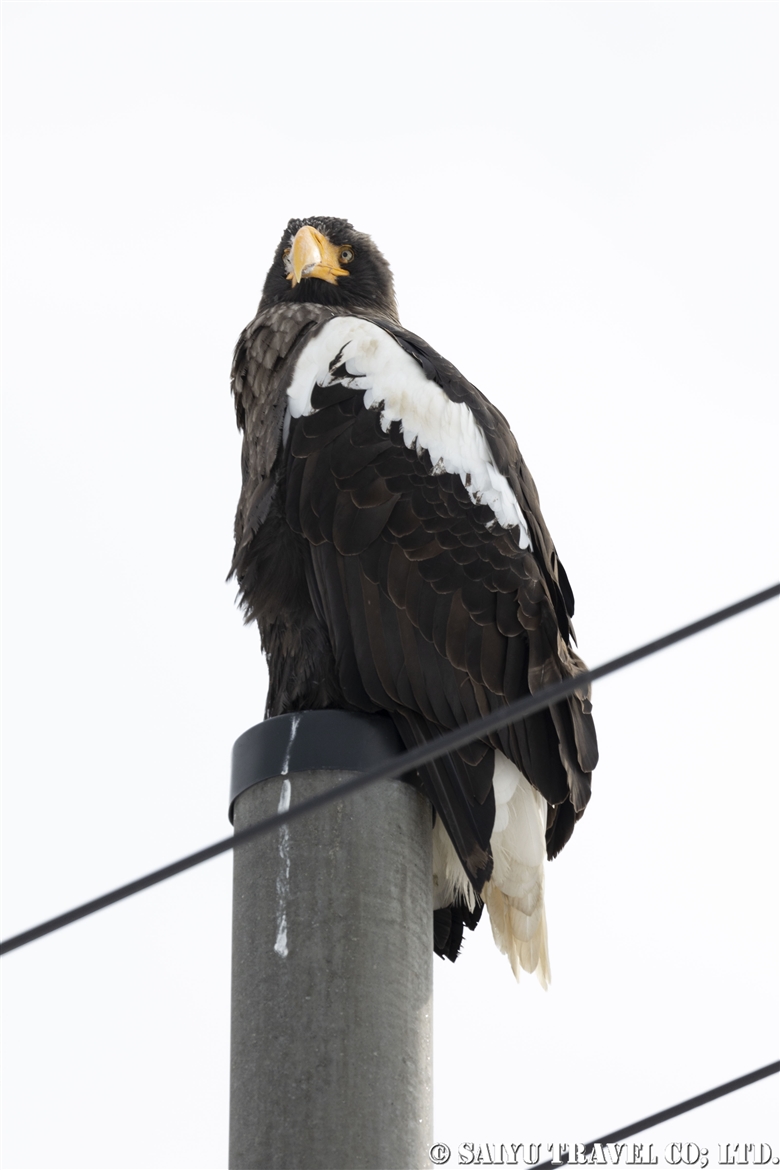
Steller’s Sea Eagle (Rausu, Notsuke Peninsula, Nemuro)

The Steller’s sea eagles, which breed in Far East Russia such as in the Kamchatka Peninsula, migrate to eastern Hokkaido in the winter. February is the most common, month they start arriving, but I was able to confirm their appearance in January as well.

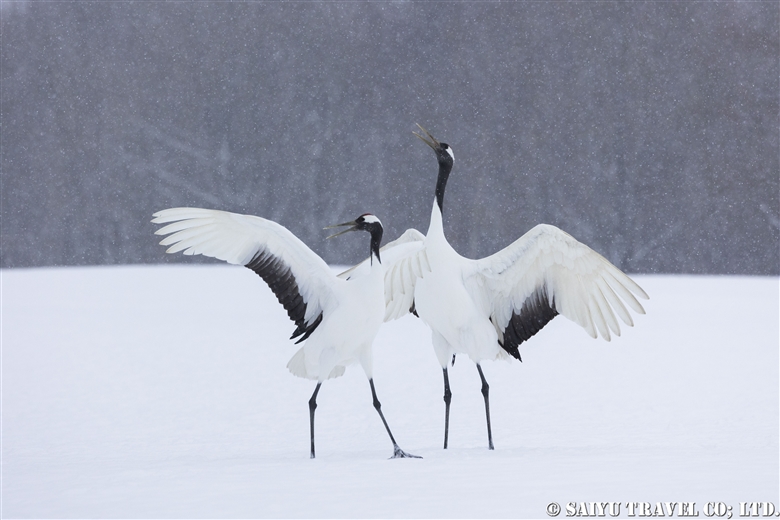
Red Crowned Crane (Tsurui Village)

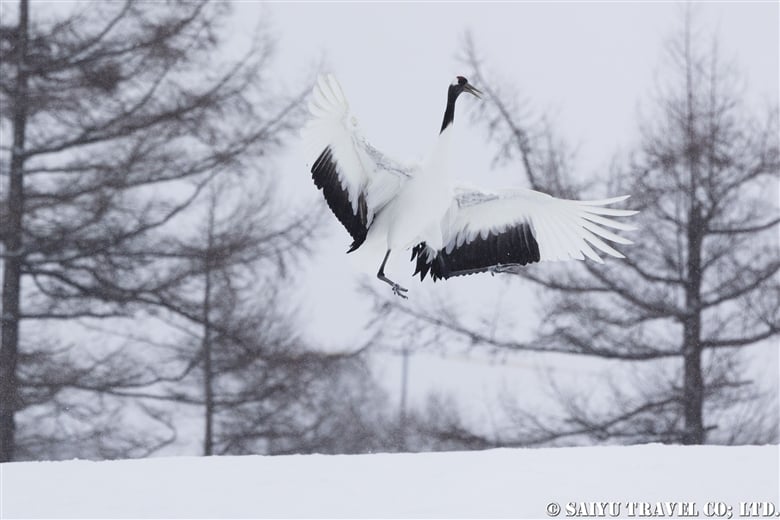
In January, the red-crowned cranes are preparing for the breeding season. I was able to see the paired couples singing and dancing together, and a young bird practicing alone. From February to March, the breeding season is in full swing, the number of couples increase and the time they spend doing their displays goes on for longer periods of time.

Red Fox

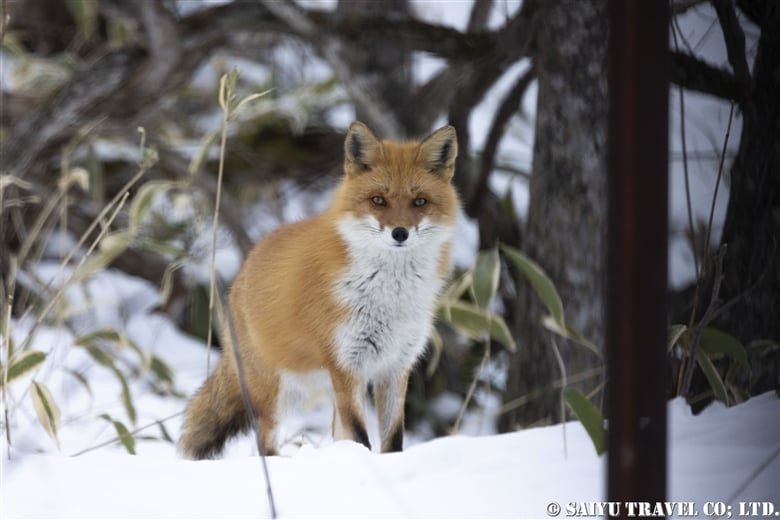
The red fox, a subspecies that inhabits the Sakhalin, Hokkaido and its surroundings, is also approaching their breeding season as well. During this period, males will walk large areas in the deep snow searching for females, so the muscles of the upper body are said to be very developed, and this one here is a good example, showing very developed pectoral muscles.

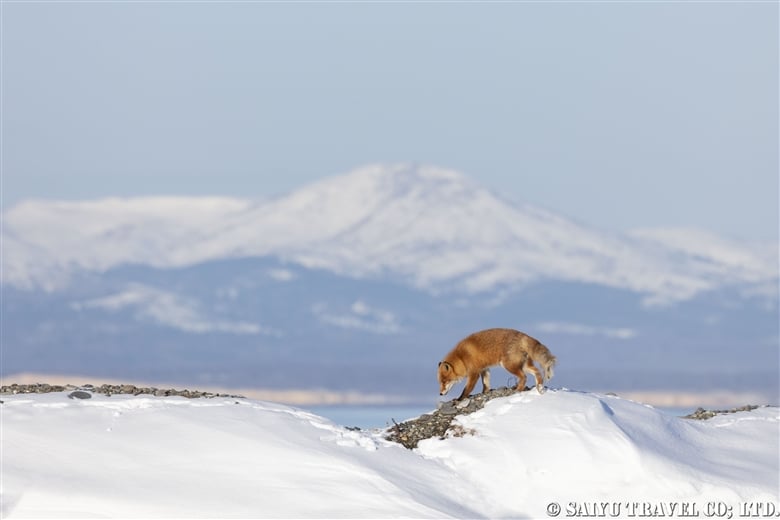
One fox approached us with the Kunashir Island in the backdrop, and if you look closely at its tail, you can see some small hair loss. Scabies is spreading among the red foxes, and is seems to be causing a population decline.

Ezo Sika Deer

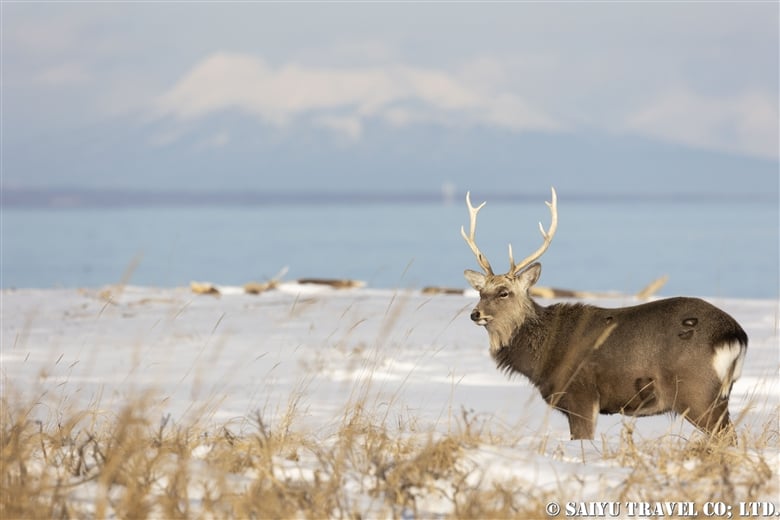
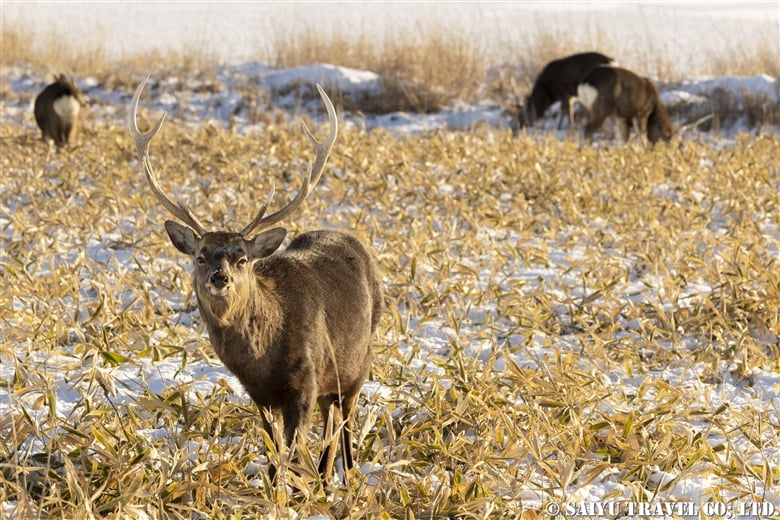
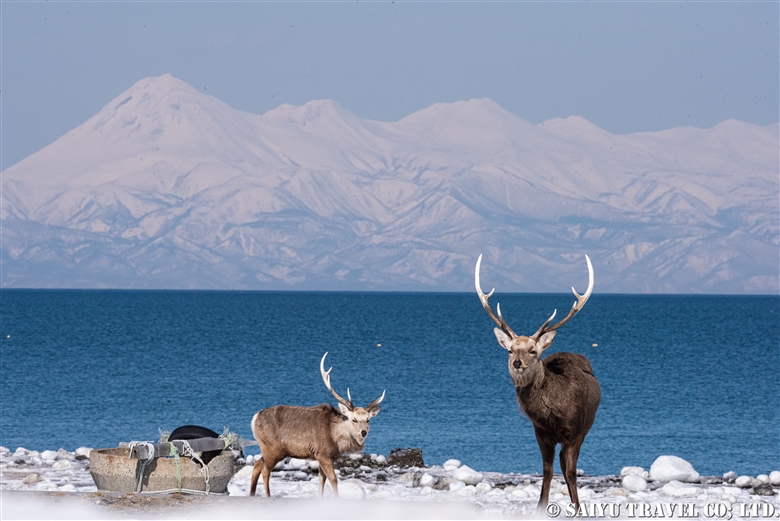
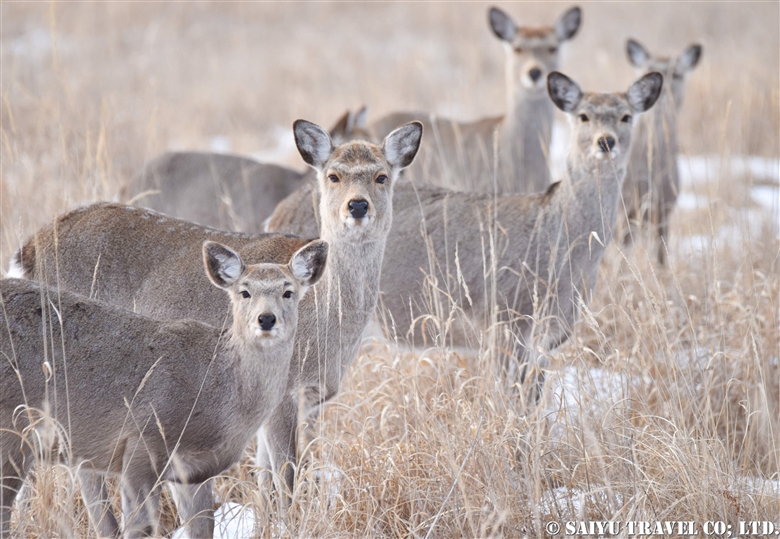
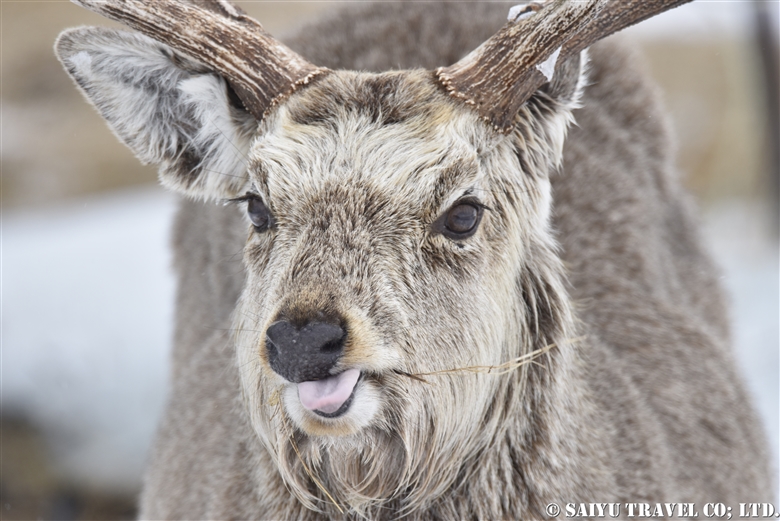
These are some Ezo Sika Deer with the Kunashir Islands in the background. At this time of year, they have winter fur and are very cute, but they have a voracious appetite and are highly successful at reproduction, so in some areas they are being exterminated due to damage to agricultural areas. At Shiretoko Sarai, the venison is added to the menu so it is not wasted.

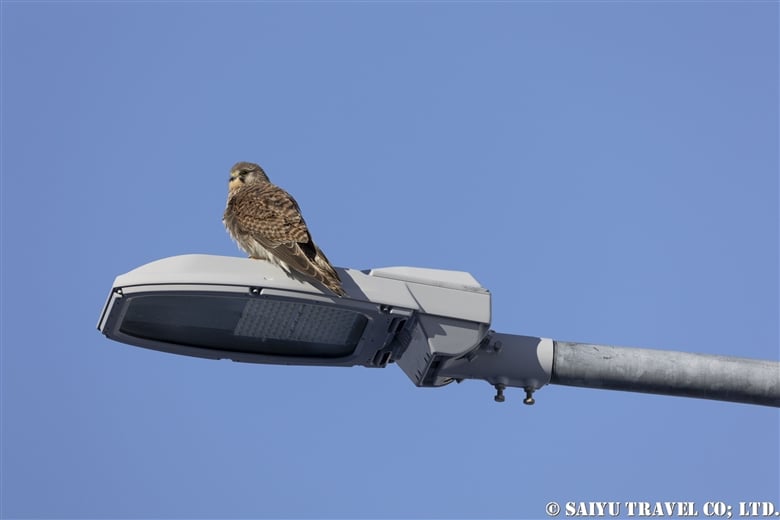
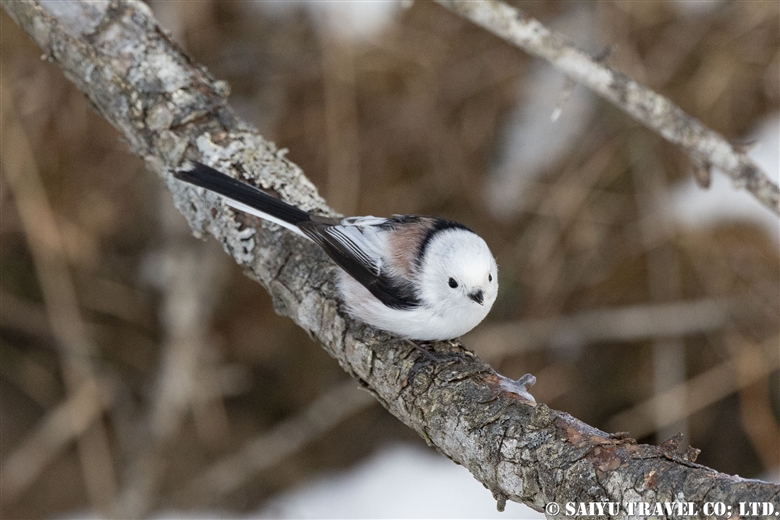
In addition, you might see kestrel and a group of long-tailed tit.

January was a fulfilling time to encounter wildlife in eastern Hokkaido for a 3 nights and 4 days stay in January.

Photo & text: Wataru HIMENO

Observation: Jan 2023, Eastern Hokkaido

*Contact  us, Saiyu Travel for more information about wildlife and bird watching in Hokkaido. We can make various arrangements for your trip. We have a guesthouse, Shiretoko Serai, in Rausu, Shiretoko Peninsula.

*Youtube : Wildlife of Japan

Tags: , , , , , , , , , , , , , , , , , ,

Raising The Next Generation of Blakiston’s Fish Owl; Observed in Rausu

Two chicks were born in 2022

Usually, the Blakiston’s fish owls will mate in February and lay two eggs in March. The female warms them for 35 consecutive days, without rest. However, for the Blakiston’s fish owls it is very challenging with various factors influencing the results: like the extreme weather and cold temperatures during breeding; the physical condition of each owl itself; and their past experience of raising chicks. On average only one bird survives until fledging.

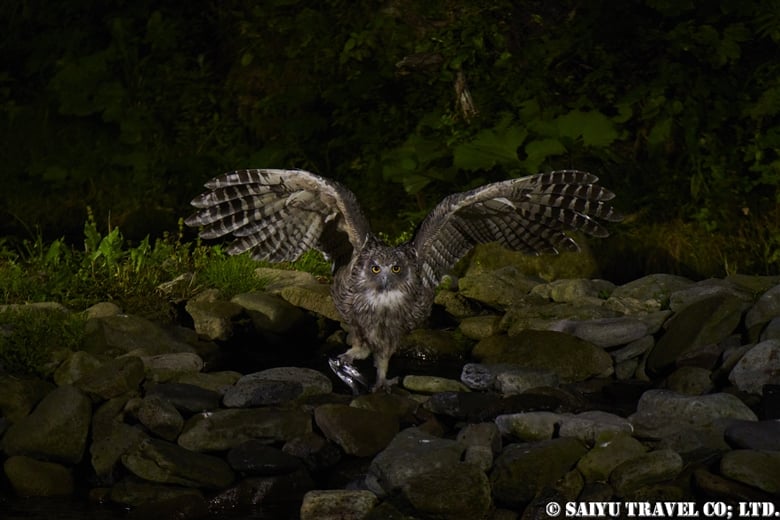
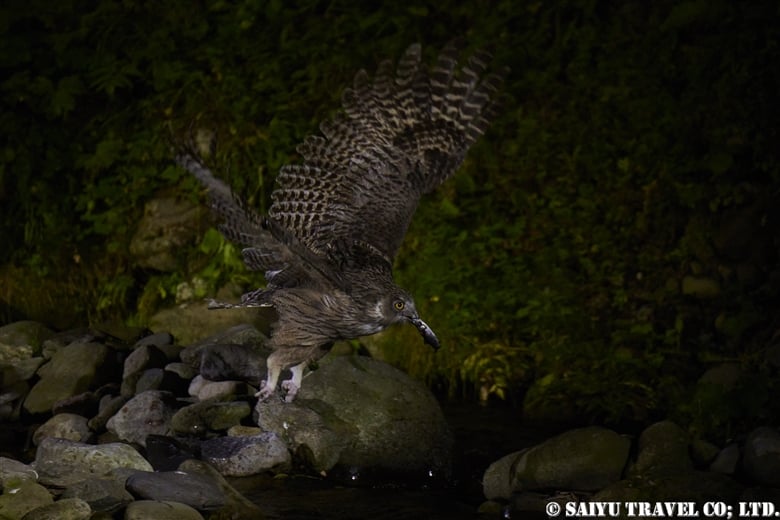
At the Blakiston’s fish owl Observatory in Rausu (Washinoyado), the birds can be observed throughout the year, and in June 2022, the pair were able to fledge both chicks for the first time in 15 years! The young birds practiced flying near their nest, and then eventually around August, they would come down to the river with their parents to learn how to catch the fish. Around September, they learned how to hunt for themselves, becoming more independent.

Mother bird showing how to hunt

The mother taking the food to the chicks

Sometimes, there are young birds that cannot fish successfully, and end up on the roadsides to try to eat roadkill. However, they might end up getting hit by cars due to the dark conditions. Thankfully, our two chicks at the Observatory have been safe from this kind of accident so far.

One of the chicks born in 2022

In December, the two will become independent, and then around 2024 they will mature and find their own partners and live somewhere in Shiretoko. I am praying that they can both survive the trials of winter to live long lives.


Image & text: Kaito IMAHORI

This report is based on observations till Oct 2022

*Contact  us, Saiyu Travel for more information about wildlife and bird watching in Hokkaido. We can make various arrangements for your trip. We have a guesthouse, Shiretoko Serai, in Rausu, Shiretoko Peninsula.

Tags: , , , , , , , , , , , ,

Ezo Sika Deer of the Notsuke Peninsula in Winter

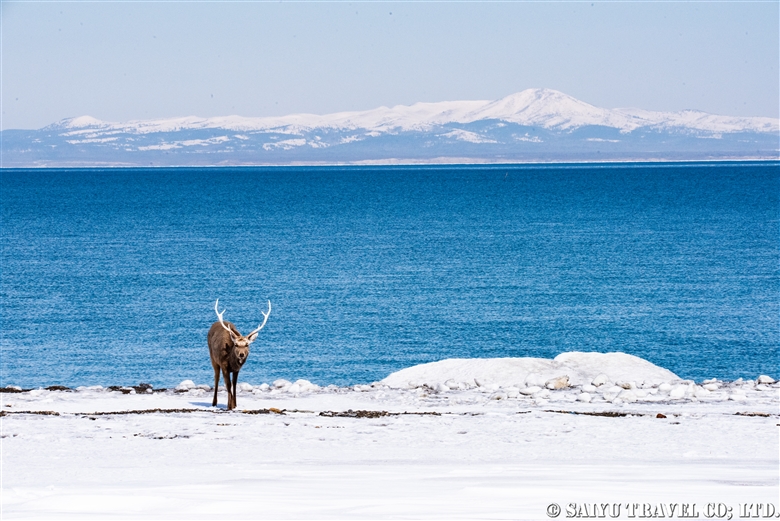
Ezo sika deer with the Shiretoko mountain range in the background

The Notsuke Peninsula in the winter has many charms.
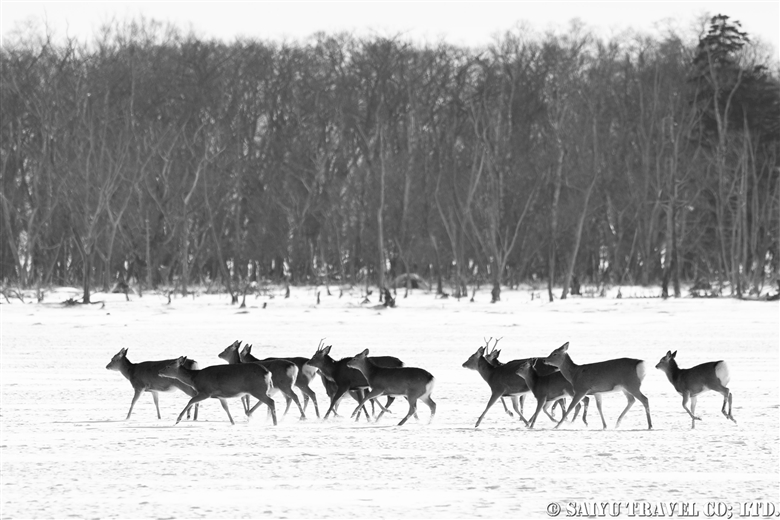
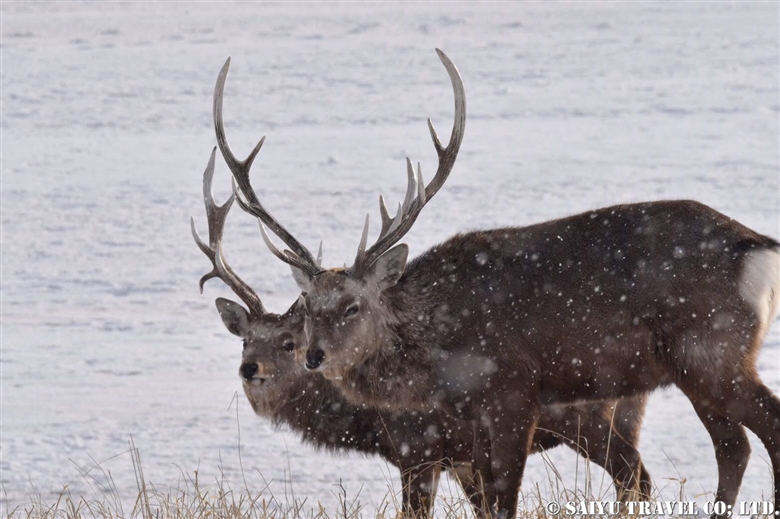
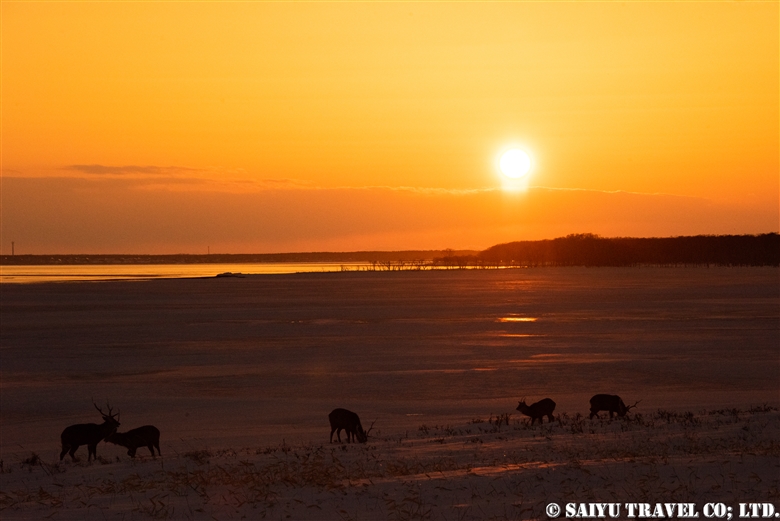
One of them was an encounter with the Ezo sika deer, Cervus nippon yesoensis. In the winter, the heavy snowfall causes the deer to face food shortages. The flat Notsuke Peninsula, which juts out into the Nemuro Strait, is well-ventilated with relatively little snowfall, making it a great feeding ground for the Ezo sika deer. Therefore, in winter, you can encounter hundreds of Ezo sika deer all at once.

A group of female Ezo sika deer
Male Ezo sika deer

The Notsuke Peninsula is also designated as a wildlife sanctuary, so the Ezo sika deer are not weary of people, therefore close range photography is possible.

In addition, you can see the Shiretoko mountain range and Kunashir Island from the Notsuke Peninsula in good weather. If the visibility is good, you can also see the Akan volcanic complex and Mt. Kamui (also Mt. Mashu). The sun rises behind Kunashir in the morning and then sets on the frozen icy side in the evening, making it an attractive location for photography throughout the day.

View of Kunashir Island (the Northern Territories) in the background

This is located only an hour (one-way) from Shiretoko, Rausu, so it is possible to visit on a day trip, perhaps after an early morning drift ice cruise.

Photo & text: Shohei MORITA (Shiretoko Serai)

*Contact  us, Saiyu Travel for more information about wildlife and bird watching in Hokkaido. We can make various arrangements for your trip. We have a guesthouse, Shiretoko Serai, in Rausu, Shiretoko Peninsula.


Tags: , , , , , , , , , , , , , ,

Ezo Red Fox in Winter

The Ezo red foxes live all over Hokkaido island. Officially a subspecies of the red fox, Vulpes vulpes schrencki, they inhabit the islands of Hokkaido, Sakhalin and the Southern Kuril Islands.

For those of us who live in Hokkaido, they are a familiar face that we often see in the city. However, people should be careful not to get close to them because they are hosts to a parasite called Echinococcus. Echinococcus (a type of tapeworm) is said to have spread to Hokkaido through fur fox farming in the Aleutian Islands and Kuril Islands. Sadly, the Ezo red fox has become the definitive host of the parasite Echinococcus. There are programs for delivering anthelmintic drugs to the fox population to reduce the infection rate.

A pair of Ezo red foxes during the breeding season (Notsuke Peninsula).

During the summer, Ezo red foxes don’t look very beautiful because their fur sheds unevenly. Unlike the Japanese red foxes of mainland Japan (a subspecies of the red fox, Vulpes vulpes japonica), the Ezo red fox, Vulpes vulpes schrencki, which inhabits Hokkaido, north of the Blakiston’s line, has fluffy winter fur and gives it that beautiful look.

The bushy fur covers the Ezo red fox

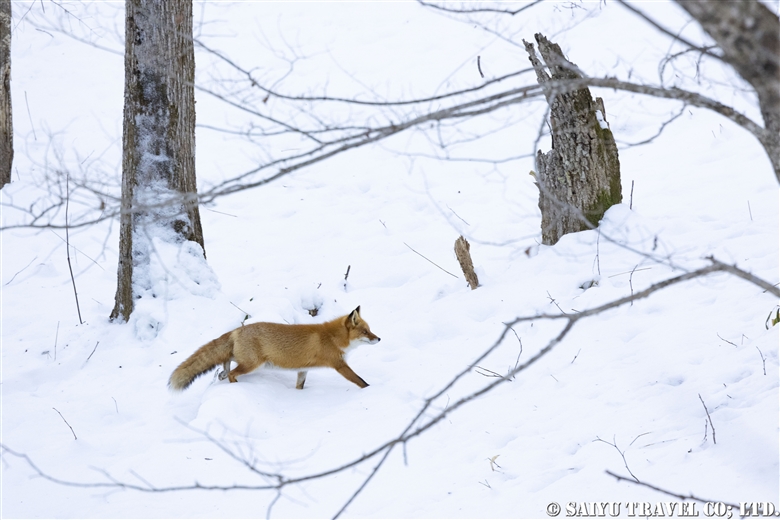
Also, the whiteness of the snow makes their brown fur stand out. Especially from February to March, during their breeding season, they are often seen in pairs. If you are lucky, you may see them chasing each other playfully, or mating in the forest.

A couple of playful Ezo red foxes.

Photo & text: Shohei MORITA (Shiretoko Serai)

*Contact  us, Saiyu Travel for more information about wildlife and bird watching in Hokkaido. We can make various arrangements for your trip. We have a guesthouse, Shiretoko Serai, in Rausu, Shiretoko Peninsula.

Tags: , , , , , , , , , , , , , , , , ,

Sea Otters of Eastern Hokkaido

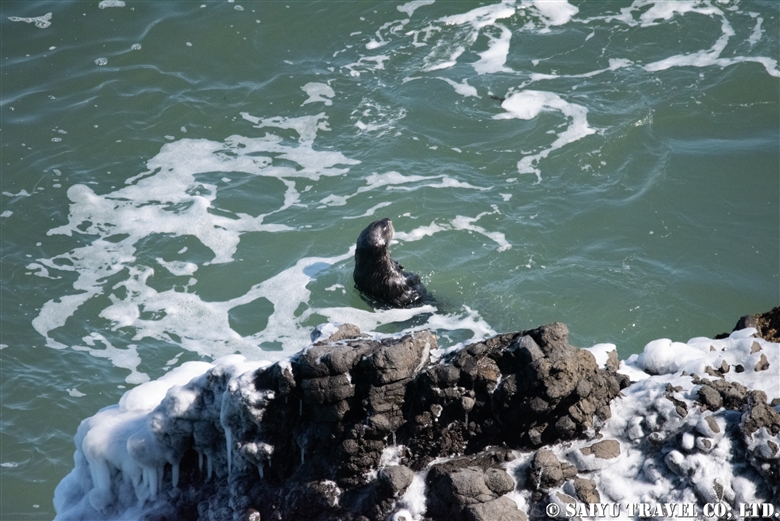
The wild sea otters in Japan, can only be found breeding in the eastern part of Hokkaido. The species that live in this northern coast of Japan are the subspecies Enhydra lutris lutris which uses the Commander and Kuril Islands of Russia. They were overharvested in Japan for their fur in Japan and was once thought to be extinct by the early 20th century, but since the 1980’s they were found to be breeding on the coast and near the islands around Nemuro.

Currently, they can sometimes be observed along the coastline of eastern Hokkaido and around the fishing ports year around, regardless of the season. Around June of every year, you might see the adorable sight of the parents carrying their pups on their bellies.

Sea otters have a very thick layer of fur that has a special adaptation to trap air in between their hairs, which allows them to float all day long with no effort. During the day, they repeatedly dive down and then surface to eat seafood on their stomachs while floating. At night, they will wrap kelp around their bodies to keep from being carried away on the currents while they sleep.

These adorable sea otters actually have many problems due to human activities, so coexistence is a constant challenge for them. Since sea otters in eastern Hokkaido eat sea urchins and northern mussels, fishermen have raised various concerns about the damage they cause to the fishing industry.

Current estimates of sea otter populations say a little more than 12 otters live in the area. Fisheries representatives are looking for ways to balance sea otter conservation and fisheries.

Photography & text: Shohei MORITA (Shiretoko Serai)

*Contact  us, Saiyu Travel for more information about wildlife and bird watching in Hokkaido. We can make various arrangements for your trip. We have a guesthouse, Shiretoko Serai, in Rausu, Shiretoko Peninsula.

Tags: , , , , , , , , , , , ,

Rausu : Where the Killer Whales Gather

The 2021 Report from the Summer Season is here! Written by Shiretoko Serai (Our guesthouse in Rausu)’s  Nature Guide, Kaito Imahori.

♪ ♪ ♪ ♪ ♪ ♪ ♪ ♪ ♪ ♪

There were more than 100 Killer Whales that visited Rausu. The Nemuro Strait, located between Rausu and Kunashiri Island, has had multiple families of whales visit every year starting from around May, to the end of July. The latest research suggests that the Nemuro Strait, may perhaps be a meeting place for the different groups so they can look for future partners.

アイパッチの目尻がたれ下がった定住型と呼ばれる魚食のグループ

This is a resident pod that is fishing together, which have downward pointing white patches around their eyes.

In the beginning of June 2021, I was able to observe a significant and amazing sight! We found a family pod of three mothers with a newborn child, near Rausu Port. While running side by side with this group in the sightseeing boat, I saw many unusual behaviors, such as a mother swimming upside down to feed her baby breast milk, just near the boat.

I also encountered another great scene this year. It was in mid-June, when I could see a gathering of 4 family groups at once, perhaps they were in the process of mating, but the males were swimming upside down with their penis out, courting the females from the other pod.

Even though I could not capture it in a photo, there was also another event worth noting that happened in late July. There were 2 white killer whales, a male and a female who appeared at the same time, which became major news. There are only a few places in the world where you can observe whales so closely, but it is because so many whales gather in Rausu, that you might see such unique and rare scenes like these.

Photo & text: Kaito Imahori (Shiretoko Serai)
Observation: Jun 2021, Rausu, Shiretoko, Hokkaido

*Contact  us, Saiyu Travel for more information about wildlife and bird watching in Hokkaido. We can make various arrangements for your trip. We have a guesthouse, Shiretoko Serai, in Rausu, Shiretoko Peninsula.

Tags: , , , , , , , , , , , , , , , , , , ,